سامسونگ گلکسی XR؛ اولین هدست واقعیت گسترده اندرویدی با قیمت ۱۸۰۰ دلار عرضه شد
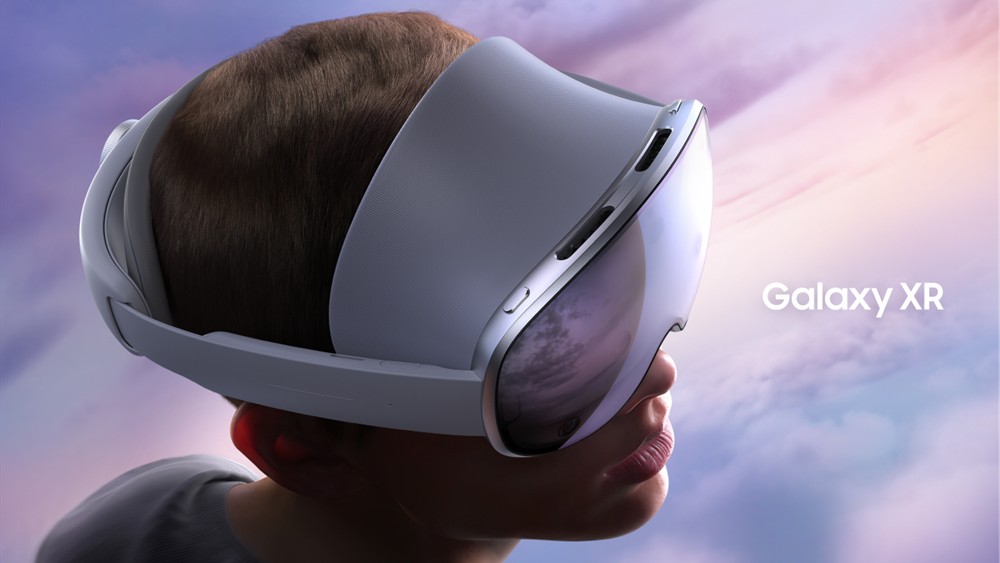
عصر واقعیت مجازی اندروید دوباره فرا رسیده است. دو تلاش قبلی گوگل برای آوردن اندروید به دنیای هدستها موفقیتآمیز نبود، اما عصر هوش مصنوعی و همکاری با سامسونگ، سومین تلاش را ممکن کرده است. سامسونگ از هدست گلکسی XR رونمایی کرده که اولین و در حال حاضر تنها دستگاه مجهز به پلتفرم جدید Android XR گوگل است. این محصول از امروز برای پیشخرید در دسترس است اما قیمت ارزانی ندارد؛ این هدست بدون کنترلر، با قیمت ۱۸۰۰ دلار به فروش میرسد.
سختافزار و طراحی
گلکسی XR یک هدست کاملاً بسته با قابلیت دیدن محیط اطراف (Passthrough) است. طراحی آن شباهت زیادی به اپل ویژن پرو دارد، حتی در جزئیاتی مثل بسته باتری که با کابل به دستگاه متصل میشود. این هدست از سختافزار قدرتمندی شامل ۱۶ گیگابایت رم، ۲۵۶ گیگابایت حافظه ذخیرهسازی و پردازنده اسنپدراگون XR2+ نسل ۲ بهره میبرد. این تراشه نسخه کمی جدیدتر از پردازنده بهکاررفته در هدست کوئست ۳ متا است و از ۶ هسته CPU و پردازنده گرافیکی Adreno برای پشتیبانی از نمایشگرهای دوگانه 4.3K بهره میبرد.
این هدست جدید دارای دو نمایشگر Micro-OLED با وضوح ۳۵۵۲ در ۳۸۴۰ پیکسل و میدان دید ۱۰۹ درجه است. این وضوح تصویر، اندکی بیشتر از ویژن پرو و تقریباً سه برابر هدست کوئست ۳ است. نرخ نوسازی این نمایشگرها تا ۹۰ هرتز میرسد، هرچند برای صرفهجویی در مصرف انرژی، نرخ پیشفرض آن روی ۷۲ هرتز تنظیم شده است.
دوربینها و قابلیتهای حسگر
مانند سایر دستگاههای XR (واقعیت گسترده)، گلکسی XR با دوربینهای متعددی پوشانده شده است. دو دوربین استریوسکوپیک ۶.۵ مگاپیکسلی وظیفه انتقال تصویر محیط اطراف به نمایشگرهای باکیفیت را بر عهده دارند تا نرمافزار بتواند المانهای مجازی را بر روی تصویر واقعی قرار دهد. شش دوربین دیگر رو به بیرون برای موقعیتیابی هدست و ردیابی دستها تعبیه شدهاند. چهار دوربین دیگر نیز در داخل دستگاه برای ردیابی چشم قرار دارند که میتوانند عنبیه چشم کاربر را برای بازگشایی ایمن دستگاه و تکمیل خودکار گذرواژهها (در اپلیکیشنهای منتخب) اسکن کنند.
شارژدهی و ارگونومی
سامسونگ اعلام کرده که شارژدهی گلکسی XR برای دو ساعت استفاده عمومی یا دو ساعت و نیم پخش ویدیو کافی است. این زمان خیلی طولانی نیست، اما شاید کاربر هم تمایلی نداشته باشد که هدست ۵۴۵ گرمی را حتی برای دو ساعت مداوم روی صورت خود نگه دارد. این وزن از کوئست ۳ (که باتری داخلی دارد) کمی بیشتر است، اما هر دو در مقایسه با نسل دوم ویژن پرو با وزن ۸۰۰ گرم، سبکتر محسوب میشوند.
تاریخچه نرمافزاری و تلاشهای ناموفق
این هدست جدید سامسونگ نخستین بار در رویداد Google I/O امسال با نام پروژه موهان (Project Moohan) معرفی شد. اگرچه این دستگاه توجهی مشابه عینکهای هوشمند آزمایشی اندروید XR گوگل را جلب نکرد، اما اکنون به عنوان اولین سختافزار تجاری برای پلتفرم Android XR عرضه شده است. در بخش نرمافزاری، ردپای چندانی از سامسونگ دیده نمیشود و تمرکز آن بر مجموعهای از تجربههای Google XR بدون استفاده از رابط کاربری One UI است.
گوگل اولین تجربه خود در دنیای XR را با Cardboard آغاز کرد؛ یک راهکار ارزانقیمت واقعیت مجازی که هرگز توسط گوگل جدی گرفته نشد. تلاش بعدی که Daydream نام داشت، همچنان کاربران را ملزم به قرار دادن گوشی درون هدست میکرد. با وجود سختافزار بهتر، Daydream نیز دیری نپایید و گوگل در سال ۲۰۱۹ به آن پایان داد. سامسونگ نیز تاریخچه ناخوشایندی در این زمینه دارد؛ دستگاه Gear VR این شرکت مشابه Daydream بود و گوشی باید درون هدست قرار میگرفت. سامسونگ تنها سه سال این ایده را دنبال کرد و در سال ۲۰۱۷ پشتیبانی از آن را متوقف کرد.


نظرات کاربران (0)
تاکنون دیدگاهی برای این خبر ثبت نشده است.
ارسال دیدگاه
پربازدیدترین اخبار