تقابل غولها؛ درخواست رسمی متا از دولت برای توقف تجاریسازی OpenAI
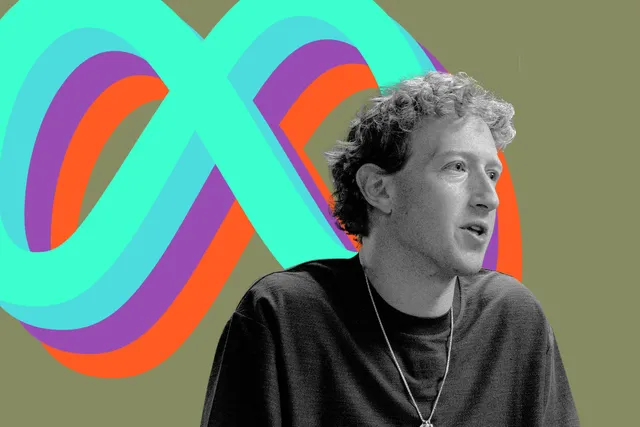
شرکت متا با ارسال نامهای به دادستان کل کالیفرنیا، خواستار جلوگیری از تغییر ساختار OpenAI از یک سازمان غیرانتفاعی به یک شرکت سودآور شد.
شرکت متا از «راب بونتا»، دادستان کل کالیفرنیا، درخواست کرده است تا مانع تغییر وضعیت OpenAI از یک سازمان غیرانتفاعی (Non-profit) به یک شرکت تجاری (For-profit) شود. متا در نامهای که این هفته به دفتر بونتا ارسال شده، استدلال میکند که OpenAI «نباید اجازه داشته باشد با نادیده گرفتن قانون، منابعی را که به عنوان یک خیریه ایجاد کرده است، برای کسب سودهای کلان خصوصی به کار گیرد.»
این نامه که ابتدا توسط «وال استریت ژورنال» گزارش شد، حاوی نکته غافلگیرکنندهای است: متا معتقد است که «ایلان ماسک» برای نمایندگی منافع شهروندان کالیفرنیا در این پرونده، فردی «واجد شرایط و در جایگاهی مناسب» است. این حمایت از ماسک در برابر OpenAI در حالی صورت میگیرد که سال گذشته ماسک و مارک زاکربرگ در حال شوخی درباره مبارزه در قفس بودند.
چالشهای مالی و ساختاری OpenAI
OpenAI فعالیت خود را به عنوان یک نهاد غیرانتفاعی آغاز کرد، اما با موفقیت تجاری ChatGPT که اکنون سالانه میلیاردها دلار درآمد دارد، تغییر مسیر داد. «سم آلتمن»، مدیرعامل این شرکت، اعلام کرده است که برای جذب سرمایهگذاران بیشتر و تأمین هزینههای دستیابی به اهداف خود، نیاز به تغییر وضعیت حقوقی شرکت دارد. وضعیت برای OpenAI بحرانی است؛ زیرا اگر نتواند ظرف دو سال آینده بهطور موفقیتآمیز به یک شرکت تجاری تبدیل شود، باید میلیاردها دلار سرمایهای را که امسال جذب کرده (به همراه سود آن) به سرمایهگذاران بازگرداند.
نگرانیهای متا از ایجاد یک رویه خطرناک
متا مدعی است که اقدامات OpenAI میتواند تأثیرات گستردهای بر «سیلیکون ولی» داشته باشد و نحوه فعالیت استارتاپهای فناوری را تغییر دهد. آنها نگرانند که این اقدام، سرمایهگذاران را تشویق کند تا سازمانها را ابتدا به عنوان غیرانتفاعی ثبت کنند، مبالغ هنگفتی کمکهای مالی معاف از مالیات برای تحقیق و توسعه جمعآوری نمایند و سپس زمانی که فناوریشان به موفقیت تجاری رسید، به حالت تجاری تغییر وضعیت دهند.
در مقابل، «برت تیلور»، رئیس هیئت مدیره OpenAI، اظهار داشت که هیئت مدیره غیرانتفاعی بر تضمین ادامه ماموریت شرکت برای نفع رساندن به تمام بشریت متمرکز است. او تأکید کرد که در هرگونه تغییر ساختار در آینده، نهاد غیرانتفاعی همچنان به حیات خود ادامه خواهد داد و ارزش کامل سهم خود در شرکت تجاری جدید را دریافت خواهد کرد.
متن کامل نامه متا به دادستان کل کالیفرنیا
جناب آقای بونتا، دادستان کل:
شرکت متا، به عنوان یک شرکت مستقر در کالیفرنیا که در زمینه فناوری هوش مصنوعی مولد فعالیت میکند، عمیقاً نسبت به تلاش OpenAI برای سلب وضعیت غیرانتفاعی خود – که بر اساس آن تأسیس شده است – جهت ایجاد یک نهاد تجاری نگران است. ما از شما میخواهیم این معامله پیشنهادی، از جمله ماهیت و زمانبندی انتقال داراییها از نهاد غیرانتفاعی OpenAI به سایر نهادها را مورد بازبینی قرار دهید.
عدم پاسخگو نگه داشتن OpenAI در قبال تصمیمش برای تشکیل به عنوان یک نهاد غیرانتفاعی، میتواند منجر به گسترش پروژههای استارتاپی مشابهی شود که در ظاهر خیریه هستند اما تا زمانی که به سودآوری برسند، تغییر ماهیت میدهند. مردم کالیفرنیا منافع مستقیم و فوری در توقف این رفتار دارند. تمامی فعالیتهای انتفاعی OpenAI و نهادهای مرتبط با آن باید برای محافظت از سرمایهگذاران و مصرفکنندگان متوقف شود.
در سال ۲۰۱۵، OpenAI در گواهی تأسیس اصلی خود قید کرده بود:
«این شرکت یک شرکت غیرانتفاعی خواهد بود که منحصراً برای اهداف خیریه و آموزشی سازماندهی شده است… هدف خاص این شرکت تأمین بودجه برای تحقیق، توسعه و توزیع فناوری مرتبط با هوش مصنوعی است… این شرکت برای نفع شخصی هیچ فردی سازماندهی نشده است… هیچ بخشی از درآمد خالص یا داراییهای این شرکت هرگز نباید به نفع هیچ مدیر، مسئول یا عضو آن یا به نفع هیچ شخص خصوصی باشد.»
OpenAI سالها بعد در وبسایت خود بر این تعهد تأکید کرد:
«OpenAI در ابتدا معتقد بود که ساختار 501©(3) مؤثرترین ابزار برای هدایت توسعه هوش مصنوعی عمومی (AGI) ایمن و سودمند برای همگان خواهد بود، در حالی که از انگیزههای سودآور رها بماند.»
با بهرهگیری از این وضعیت غیرانتفاعی، OpenAI میلیاردها دلار سرمایه برای پیشبرد مأموریت ادعایی خود جذب کرد. این شرکت به ایالت کالیفرنیا و جهان اعلام کرد که بدون انگیزه سودآوری اداره خواهد شد. سرمایهگذاران و عموم مردم به حق به این اطمینان تکیه کردند. اکنون OpenAI میخواهد وضعیت خود را تغییر دهد در حالی که تمام مزایایی را که آن را به جایگاه امروزی رسانده است، حفظ کند. این اشتباه است. نباید به OpenAI اجازه داده شود که با تصاحب و تخصیص مجدد داراییهایی که به عنوان یک خیریه بنا کرده است، قانون را زیر پا بگذارد.
علاوه بر این، رفتار OpenAI میتواند پیامدهای لرزهای برای سیلیکون ولی داشته باشد. اگر این تغییر ساختار مجاز دانسته شود، الگوی استارتاپهای فناوری تغییر خواهد کرد؛ این کار سرمایهگذاران را وسوسه میکند تا سازمانها را به عنوان غیرانتفاعی راهاندازی کنند، صدها میلیون دلار کمک مالی معاف از مالیات برای حمایت از تحقیق و توسعه جمعآوری کنند و سپس زمانی که فناوریشان از نظر تجاری قابل دوام شد، وضعیت تجاری به خود بگیرند.
ما متوجه هستیم که ایلان ماسک و شیون زیلیس در حال حاضر به دنبال نمایندگی منافع عمومی در پرونده «ماسک علیه آلتمن» هستند. اگرچه ما از دفتر شما میخواهیم اقدام مستقیم انجام دهید، اما معتقدیم که آقای ماسک و خانم زیلیس برای نمایندگی منافع کالیفرنیاییها در این موضوع واجد شرایط هستند. نقشهای کلیدی و اولیه آنها در ایجاد و عملیات OpenAI، آنها را بهتر از هر کسی در موقعیتی قرار میدهد که درک کنند OpenAI قرار بود چه باشد و رفتار فعلی آن چقدر از مأموریت خیریهاش منحرف شده است.
متا به باز بودن و شفافیت در حوزه تحولآفرین هوش مصنوعی متعهد است. وعده خیریه OpenAI برای توسعه هوش مصنوعی ایمن و سودمند، فارغ از فشارهای تجاری، وعده مهمی است و باید به آن عمل شود. با توجه به سرعت سرسامآوری که OpenAI در روند تبدیل به شرکت تجاری طی میکند، این یک مورد خاص با ضرورت فوری برای اقدام است.
با احترام،
متا پلتفرمز (Meta Platforms)



نظرات کاربران (0)
تاکنون دیدگاهی برای این خبر ثبت نشده است.
ارسال دیدگاه

پربازدیدترین اخبار



برچسبها