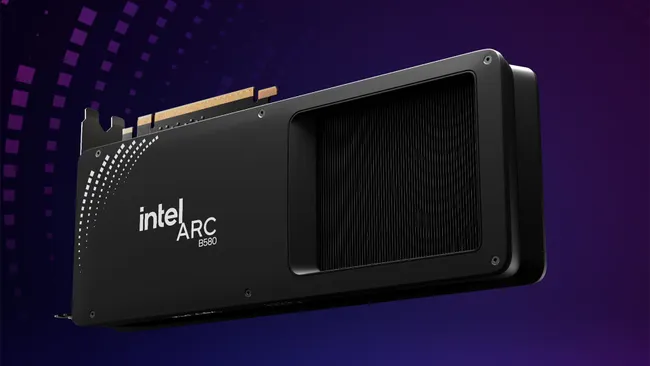
بررسی کارتهای گرافیک AMD Radeon RX 9070 و 9070 XT؛ معماری RDNA 4 بسیاری از مشکلات AMD را حل کرده است
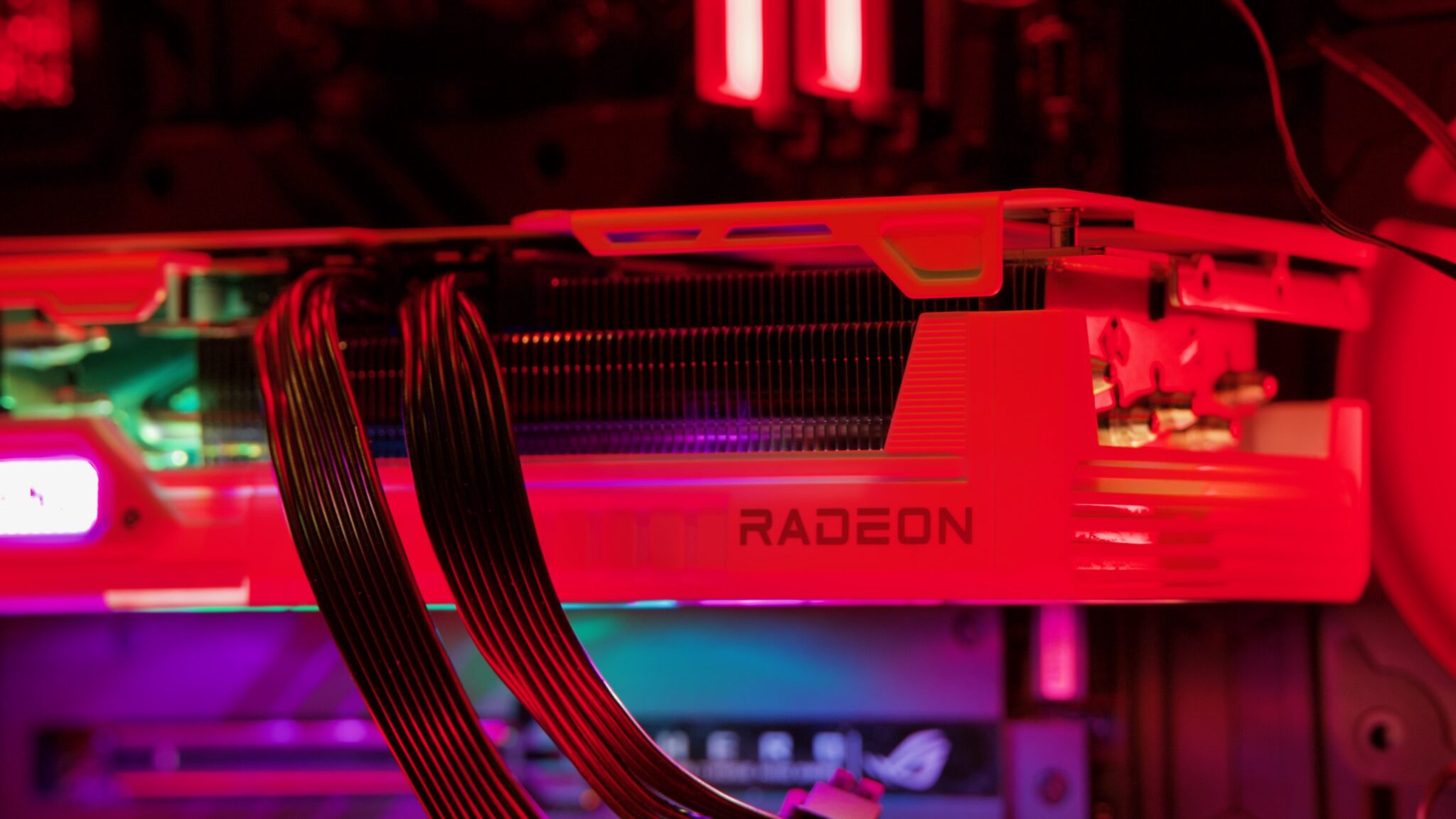
ایامدی (AMD) شرکتی است که بهخوبی میداند چگونه از نقاط ضعف رقبای خود استفاده کند. موفقیت این شرکت در اوایل دهه ۲۰۱۰ تا حدی مدیون پردازندههای رایزن (Ryzen) بود؛ چرا که این محصولات درست زمانی وارد بازار شدند که اینتل با مشکلات تولید دستوپنج نرم میکرد. ابتدا پردازندههایی با ارزش خرید بالا عرضه شدند و در نهایت، محصولاتی به بازار آمدند که از هر آنچه اینتل ارائه میداد، پیشی گرفتند.
تسلط بلامنازع انویدیا بر بازار کارتهای گرافیک مصرفی نیز میتوانست فرصتی طلایی برای AMD باشد. کارتهای گرافیک سری GeForce RTX 50 انویدیا، دلایل کمی برای هیجانزدگی خریداران باقی گذاشتهاند؛ از مدل 5090 که قیمتی دستنیافتنی دارد تا مدلهای 5080 و 5070 که نسبت به استانداردهای تاریخی قیمت بالایی دارند و بهبود عملکرد آنها در بهترین حالت «متوسط» ارزیابی میشود. یوتیوبرهای حوزه تکنولوژی، چه تولیدکنندگان محتوا و چه مخاطبانی که در کامنتها فعال هستند، تقریباً یکصدا از سری 50 انتقاد کردهاند که نشاندهنده ناامیدی مصرفکنندگان و تقاضای انباشته برای محصولات رقابتی از سوی شرکتهای دیگر است.
اینجاست که کارتهای گرافیک جدید Radeon RX 9070 XT و RX 9070 وارد میدان میشوند. این کارتها دقیقاً بخش میانی بازار GPU را هدف قرار دادهاند؛ جایی که تعادلی میان حجم فروش بالا و حاشیه سود مناسب برقرار است. این محصولات نویدبخش عملکرد عالی در رزولوشن 1440p و عملکرد پایه در 4K هستند و نسبت به نسلهای قبل، بهرهوری انرژی بهتری دارند. علاوه بر این، با رفع نقصهای دیرینه (مانند عملکرد Ray-Tracing، انکود ویدیو و کیفیت آپاسکیل)، در تئوری باید برای کسانی که قصد دارند از اکوسیستم انویدیا فاصله بگیرند، وسوسهانگیزتر باشند.
مشخصات و سرعتهای RX 9070 و 9070 XT
وعده اصلی AMD برای عملکرد معماری RDNA 4، حول محور افزایش چشمگیر عملکرد در هر واحد محاسباتی (Compute Unit یا CU) میچرخد. به گفته AMD، هر واحد CU در معماری RDNA 4 در پردازشهای شطرنجی (Rasterization) تقریباً دو برابر سریعتر از RDNA 2 است (یعنی رندرگیری بدون افکتهای Ray-Tracing) و در بازیهایی با افکتهای Ray-Tracing، این سرعت به ۲.۵ برابر میرسد. عملکرد در برخی از بارهای کاریِ یادگیری ماشین (Machine Learning) نیز جهش بزرگی داشته و به دو برابر نسبت به RDNA 3 و چهار برابر نسبت به RDNA 2 رسیده است.
در تحلیلهای مقایسهای عملکرد، جزئیات بیشتری خواهیم دید، اما به نظر میرسد AMD به این هدف دست یافته است. با وجود داشتن ۵۶ یا ۶۴ واحد محاسباتی (به ترتیب برای 9070 و 9070 XT)، عملکرد این کارتها اغلب با پرچمداران نسل قبل AMD، یعنی RX 7900 XTX و 7900 XT برابری میکند؛ کارتهایی که به ترتیب ۹۶ و ۸۴ واحد محاسباتی داشتند. سری 9070 از نظر مشخصات به RX 7800 XT نسل قبل شباهت بیشتری دارد — از جمله ۱۶ گیگابایت حافظه GDDR6 روی باس حافظه ۲۵۶ بیتی (زیرا AMD همچنان از GDDR6X یا GDDR7 استفاده نمیکند) — اما سرعت آنها بسیار بیشتر از 7800 XT است.
سری 9070 همچنین از فرآیند تولید ۴ نانومتری جدید TSMC استفاده میکند که ارتقایی نسبت به فرآیند ۵ نانومتری سری 7000 محسوب میشود (همچنین فرآیند ۶ نانومتری که در مدلهای ردهبالای RX 7000 برای دایهای کنترلر حافظه جداگانه استفاده میشد). کارتهای گرافیک AMD معمولاً کمی کمتر از رقبای انویدیا بهرهور هستند، اما بهبودهای معماری و فرآیند ساخت جدید، به AMD اجازه داده تا فاصله خود را جبران کند.
هر دو مدل 9070 که ما تست کردیم، از مدلهای ASRock Steel Legend بودند. طراحی 9070 و 9070 XT کاملاً یکسان است؛ احتمالاً در آینده شاهد موارد مشابهی از شرکای تجاری AMD خواهیم بود، چرا که دای GPU و تخصیص ۱۶ گیگابایت رم برای هر دو مدل یکسان است. هر دو از دو کانکتور برق ۸ پین استفاده میکنند. AMD اعلام کرده شرکای تجاری آزادند از کانکتور ۱۲ پین استفاده کنند، اما با توجه به مشکلاتی که انویدیا همچنان با آن درگیر است، احتمالاً اکثر کارتها به همان کانکتورهای مطمئن ۸ پین وفادار خواهند ماند.




نظرات کاربران (0)
تاکنون دیدگاهی برای این خبر ثبت نشده است.
ارسال دیدگاه
پربازدیدترین اخبار